
Updated 7 November 2026. This is our account of a visit in early 2018, with the wider environmental discussion revised below. The photos and video show that visit, not the condition of every Bali beach today.
Bali has given us some wonderful family memories. On earlier trips, Javi loved playing on the sand at Seminyak. We hoped to share that experience with Joaquin when we stopped in Kuta on our way to Yogyakarta in early 2018.
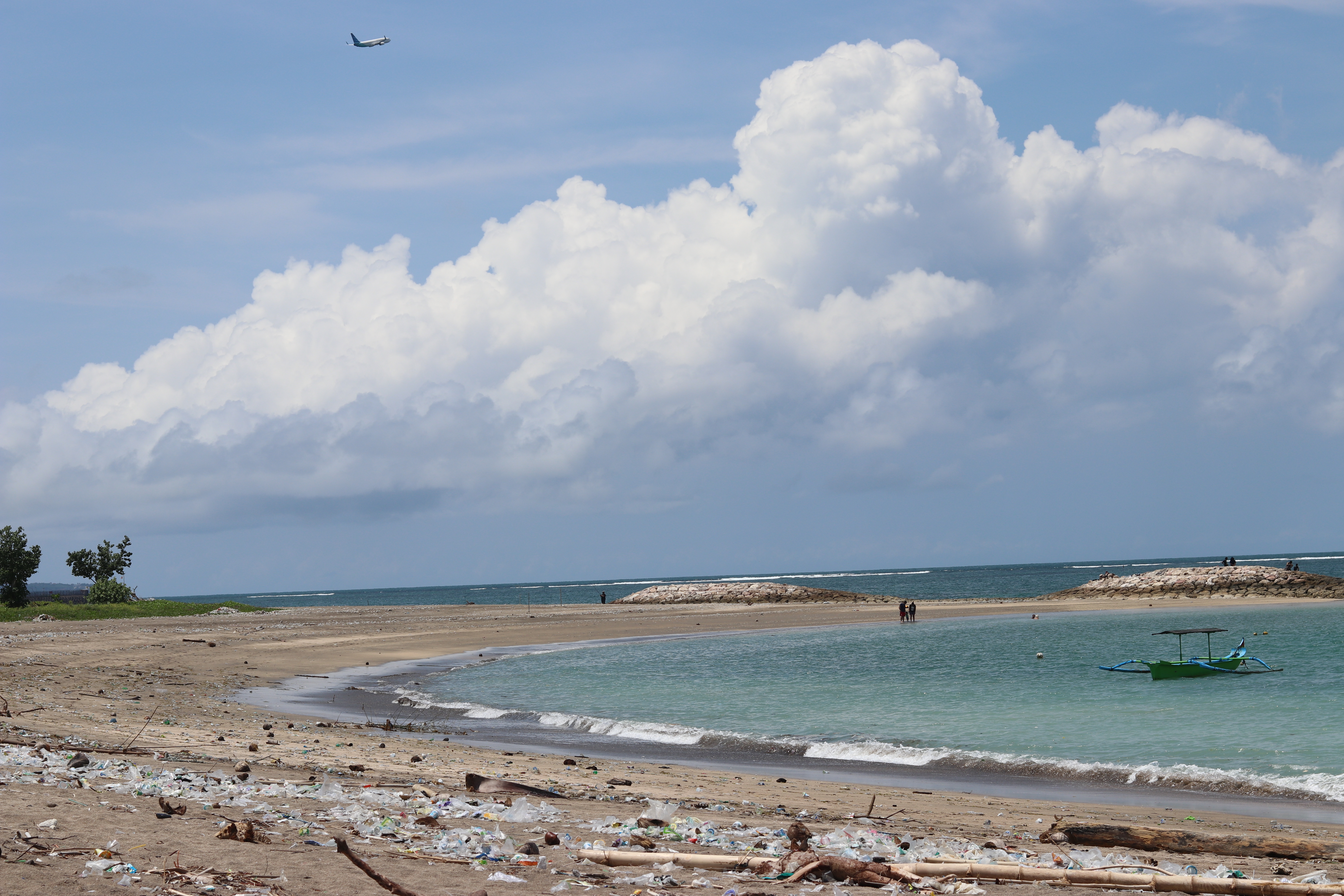
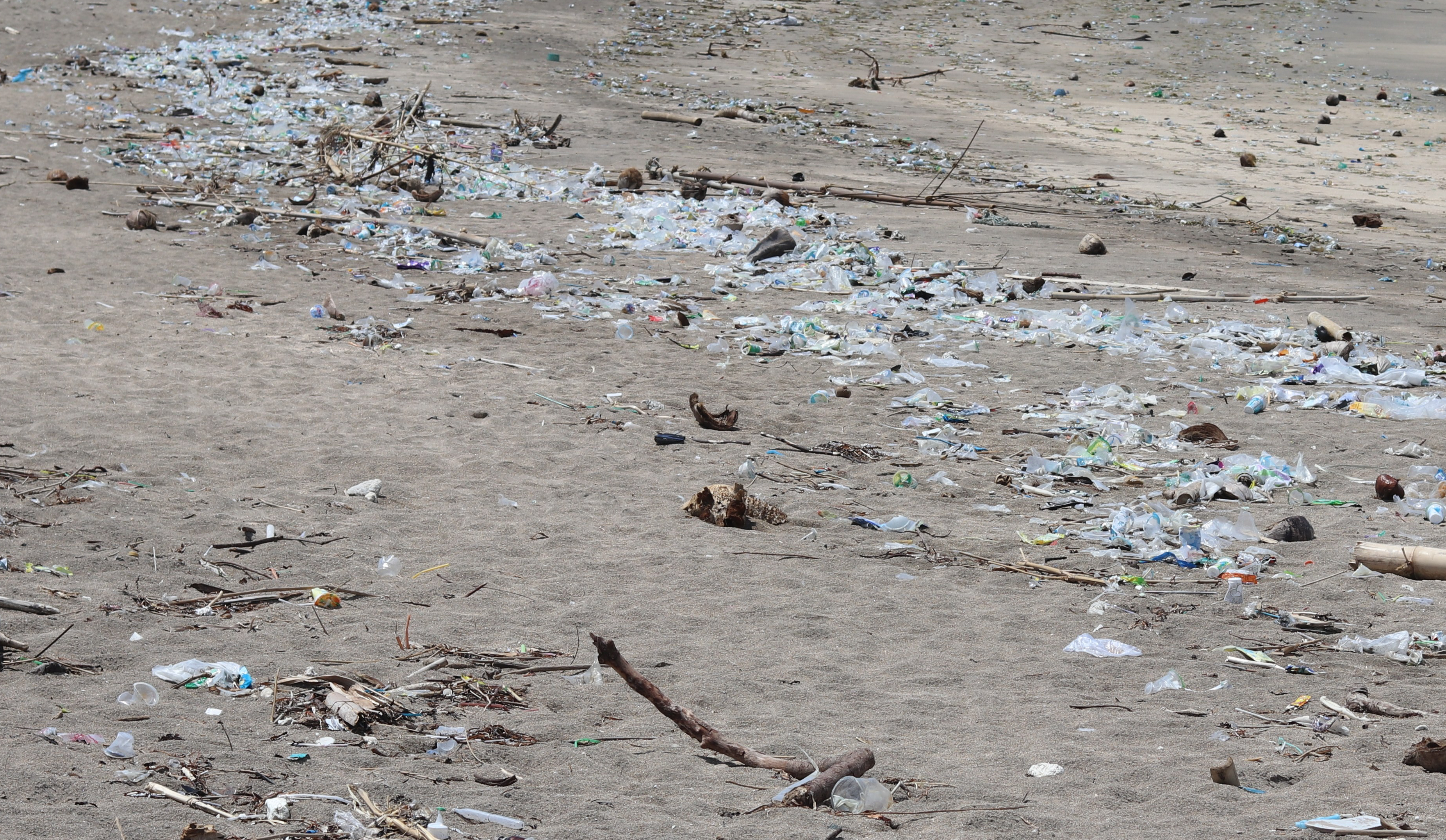
Instead, we found rubbish covering Pantai Jerman, near Kuta. There was a strong smell and we did not feel comfortable letting the boys play there. It was upsetting to see, especially after remembering our earlier beach visits.
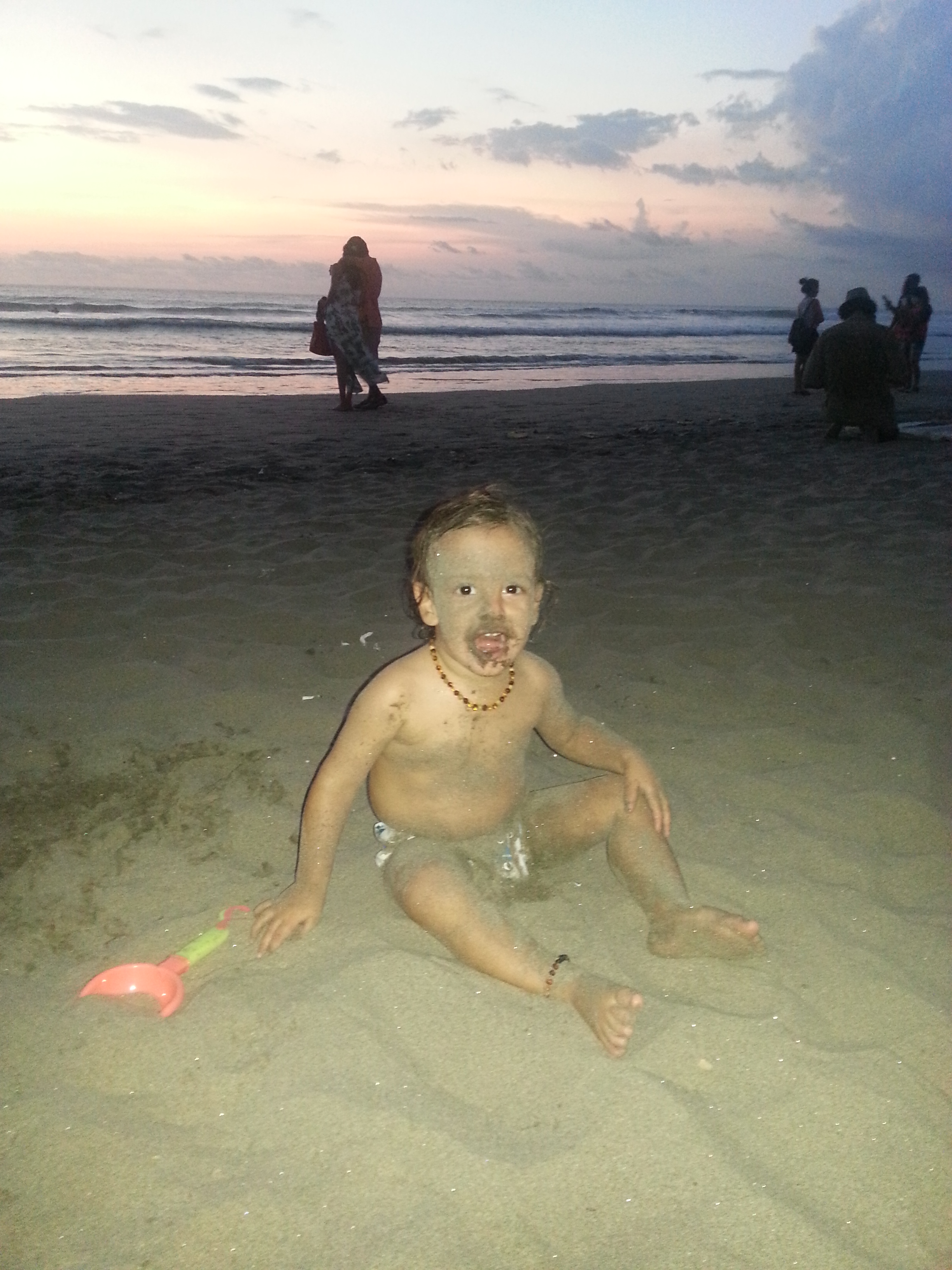
Watch what we saw
Our main plans on that trip were to visit Yogyakarta and islands around Bali and Lombok, so this stop was only a small part of our holiday. Even so, the experience stayed with us. It made us want to understand how so much waste could reach the coast.
A wider waste-management problem
A World Bank study published in 2021 examined how plastic moves from land into Indonesia’s rivers and seas. It identified gaps in waste collection as a major source of leakage and rivers as an important transport route. Those national findings help explain the wider problem, but they do not identify the origin of the particular rubbish we photographed.
A later World Bank overview also discusses fishing gear, single-use plastics and measures to reduce pollution at its source. Beach cleaning matters, but collection systems, waste prevention and responsible disposal matter too. We cannot judge the work of a whole community from a single beach visit.
What visitors can do
Bring a reusable bag and refillable bottle where safe drinking water is available. Carry your rubbish until you find an appropriate bin, and avoid leaving food wrappers or other small items on the sand. If you join a beach clean-up, follow the organiser’s advice and keep children away from sharp or unidentified waste.
Beach conditions vary by place and time. Check recent local information and assess conditions when you arrive rather than using our old video as a current beach report. We are sharing what we experienced, not saying that every beach or every visit to Bali will look like this.
Have you visited these beaches at a different time? We would love to hear what you saw and what local efforts you came across.
David, The World n Us


Leave a Reply