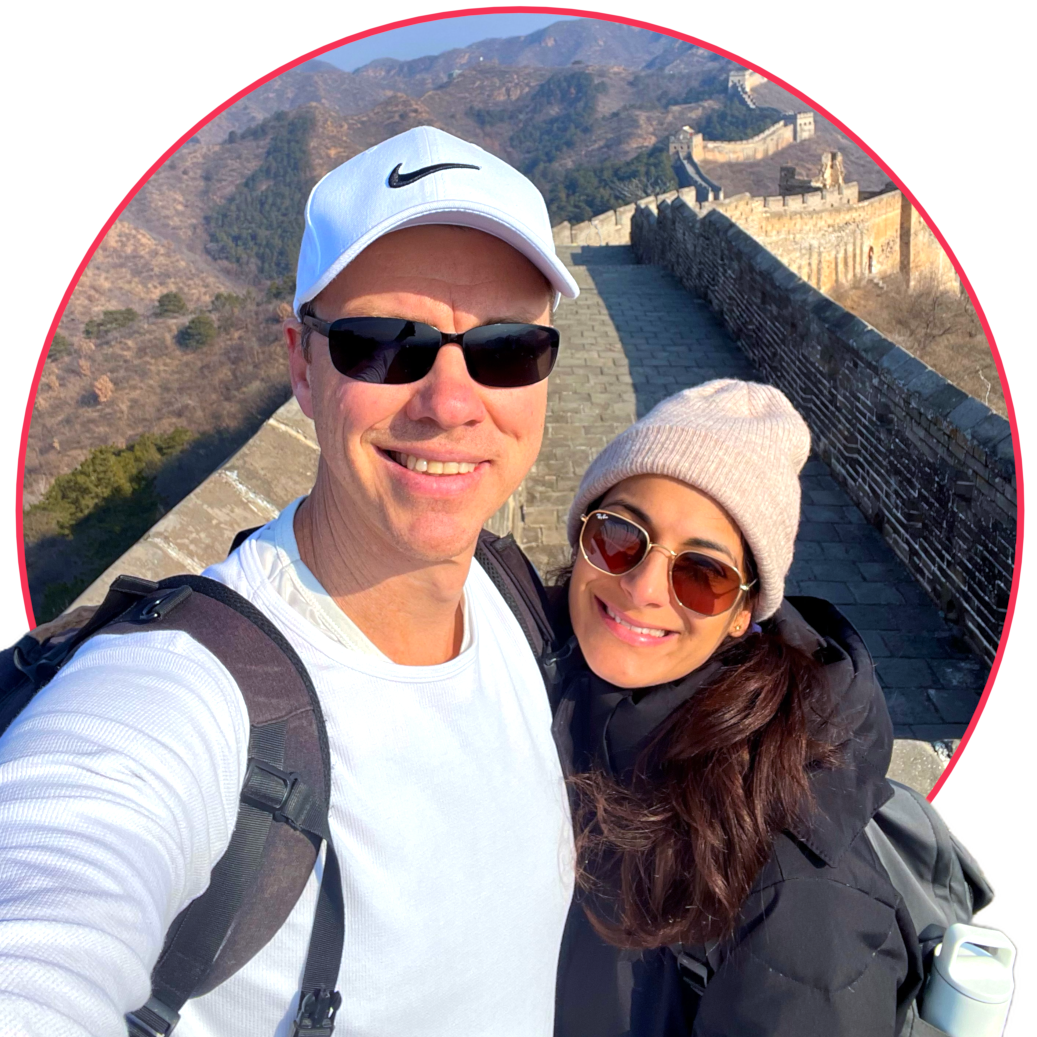
We spent six weeks in Türkiye and loved exploring Istanbul. We also had a few frustrating encounters involving prices and unwanted sales pitches. These are the lessons from our trip, with the transport and identification advice checked on 6 November 2026. Our old lira amounts are historical examples, not today’s fares.
1. Check how your taxi fare is calculated
One driver agreed to use the meter, began driving and then demanded a fixed price instead. We asked to get out. Agree on the basis of the fare before setting off, check the meter where applicable and keep the journey details.
Uber in Istanbul connects passengers with licensed taxis. Its app may show a fare estimate, rather than a guaranteed fixed fare. Using it does not remove the need to check the trip and payment details. See Uber’s Istanbul taxi information.
2. Be clear about a shoe-shine price
A man offered to shine David’s trainers for free, then repeatedly asked for money after we declined. There are legitimate shoe shiners in Istanbul, so the lesson is to agree on the service and price, and decline unwanted offers. Stories about a deliberately dropped brush should not lead you to assume every worker is dishonest.
3. Avoid being pressured into an unknown bar
Be cautious if someone you have just met insists on taking you to a particular bar or opening a shared tab. Check the menu, order only what you want and keep control of your bill. Friendly conversation on its own is not evidence of a scam.
4. Check identification requests carefully
The old article suggested a photocopy of a passport would be sufficient. For Australians, Smartraveller advises carrying your passport because authorities conduct identity checks and do not accept an Australian driver’s licence as ID. If you are unsure whether someone is an official, stay calm and seek help through an official police channel. Do not assume a legitimate request can always be refused.
5. Ask whether extras are included
Before accepting appetisers or other extras, ask whether they are complimentary or charged separately. Check a menu with prices and review the bill before paying. A charge for something you assumed was free is not automatically fraud, but it is worth clarifying at the time.
6. Decline goods you do not want
If a seller presses a rose, perfume or another item towards you, you can say no and keep walking. Avoid taking possession of something unless you want to discuss buying it. Keep valuables secure and leave a situation if it becomes uncomfortable.
7. Do not assume someone who falls is pretending
An earlier version described a falling simit seller as definitely acting and advised readers to ignore them. That was not a responsible conclusion. If someone appears injured, seek help from nearby staff or emergency services while keeping yourself safe. You do not need to hand over money to offer help.
8. Use official or authorised ticket sellers
Buy attraction and transport tickets through official channels or clearly authorised sellers. Check validity, date, inclusions and the final price. The old instruction to use only yellow machines was too narrow; ticketing options change.
Enjoy the city with a few practical habits
These encounters were one small part of an otherwise memorable trip. Knowing what you are agreeing to, keeping payment records and checking current travel advice can help you deal with problems without approaching every interaction with suspicion.


Leave a Reply