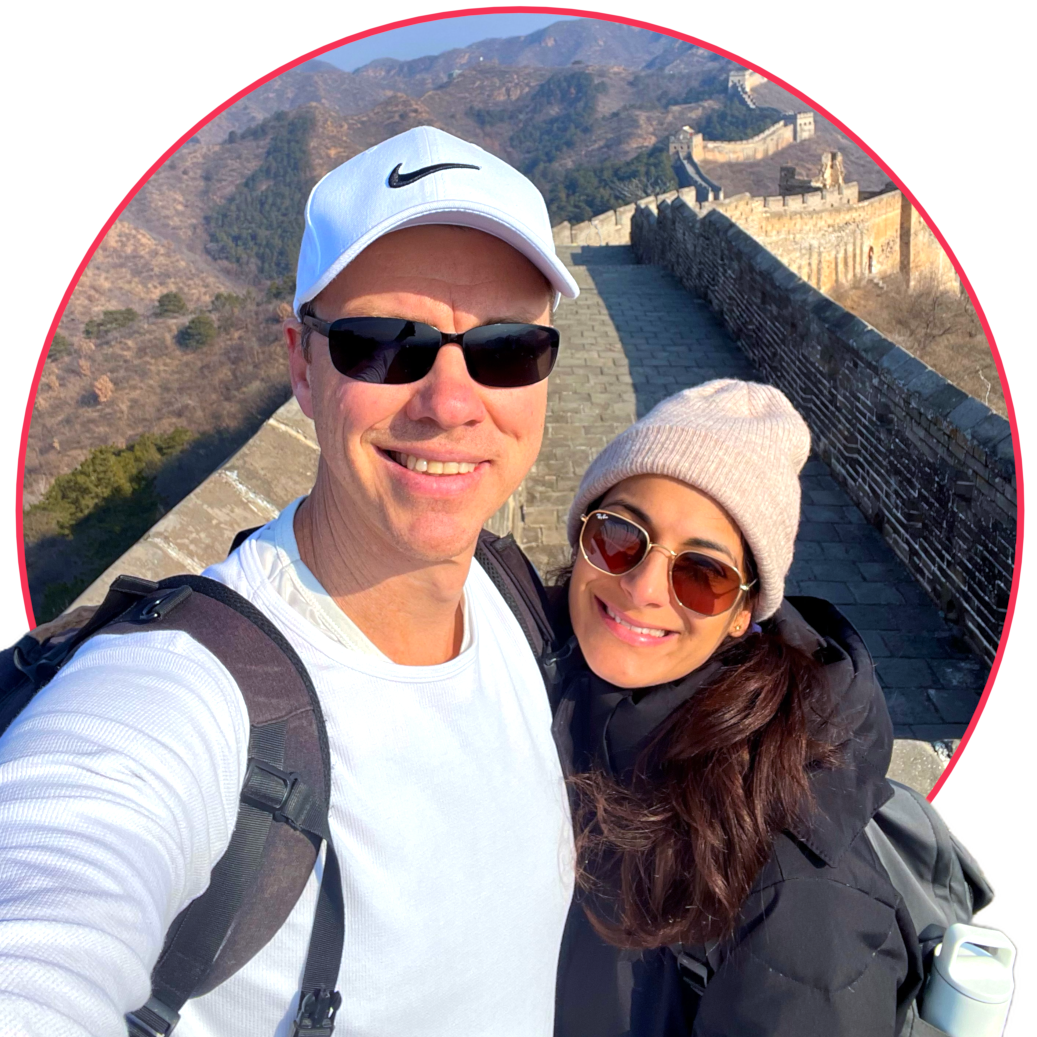
We travelled through several locations in Southeast Asia back in 2017 and I have to admit I had my reservations when it came to how to do it safely with super young children. However I am happy to say that we have been with both our three-month-old and two-and-a-half-year-old, and we had an amazing time and you can too!
Keep reading for some practical tips and must-haves when it comes to travelling this part of the world with young kids.
While you are here, don’t miss our five tips for travelling with babies and toddlers to help keep your sanity!
Updated 10 November 2026: These tips reflect our family’s 2017 travels with a baby and toddler, so take the personal experiences as history rather than universal recommendations. Two important safety updates: NHS guidance says to take babies out of carriers before feeding, and paediatric safe-sleep advice recommends an approved, firm, flat infant sleep surface—not a loose foam mattress or added cot padding. Some product links below have old affiliate tracking codes and may earn a commission; they are not current buying recommendations.
1. Decide whether to bring a stroller
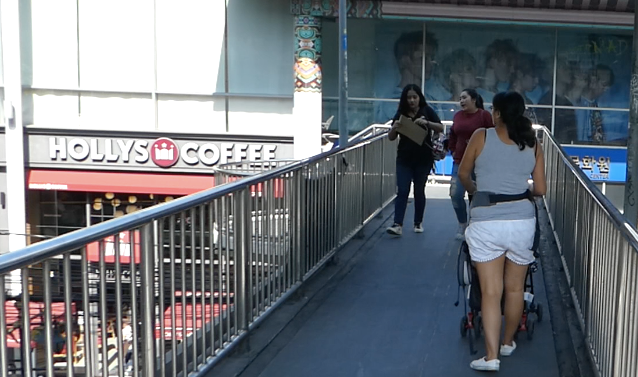
That worked for our family in some places, but a stroller may be necessary or more comfortable for other families. Check pavement conditions and accessibility for your particular destination.
Streets in a vast majority of places through Asia are not pedestrian friendly, much less pram friendly! You will find yourself in riskier situations by trying to get around cars parked on the sidewalk (if there is one) or attempting to cross a busy street while pushing your pram on a bumpy road. Which takes us to our next point.
2. Babywear and toddlerwear
2026 carrier safety: Keep your baby upright, supported and with their face and airway visible. Follow the TICKS guidance, and remove them from a sling or carrier before breast- or bottle-feeding.
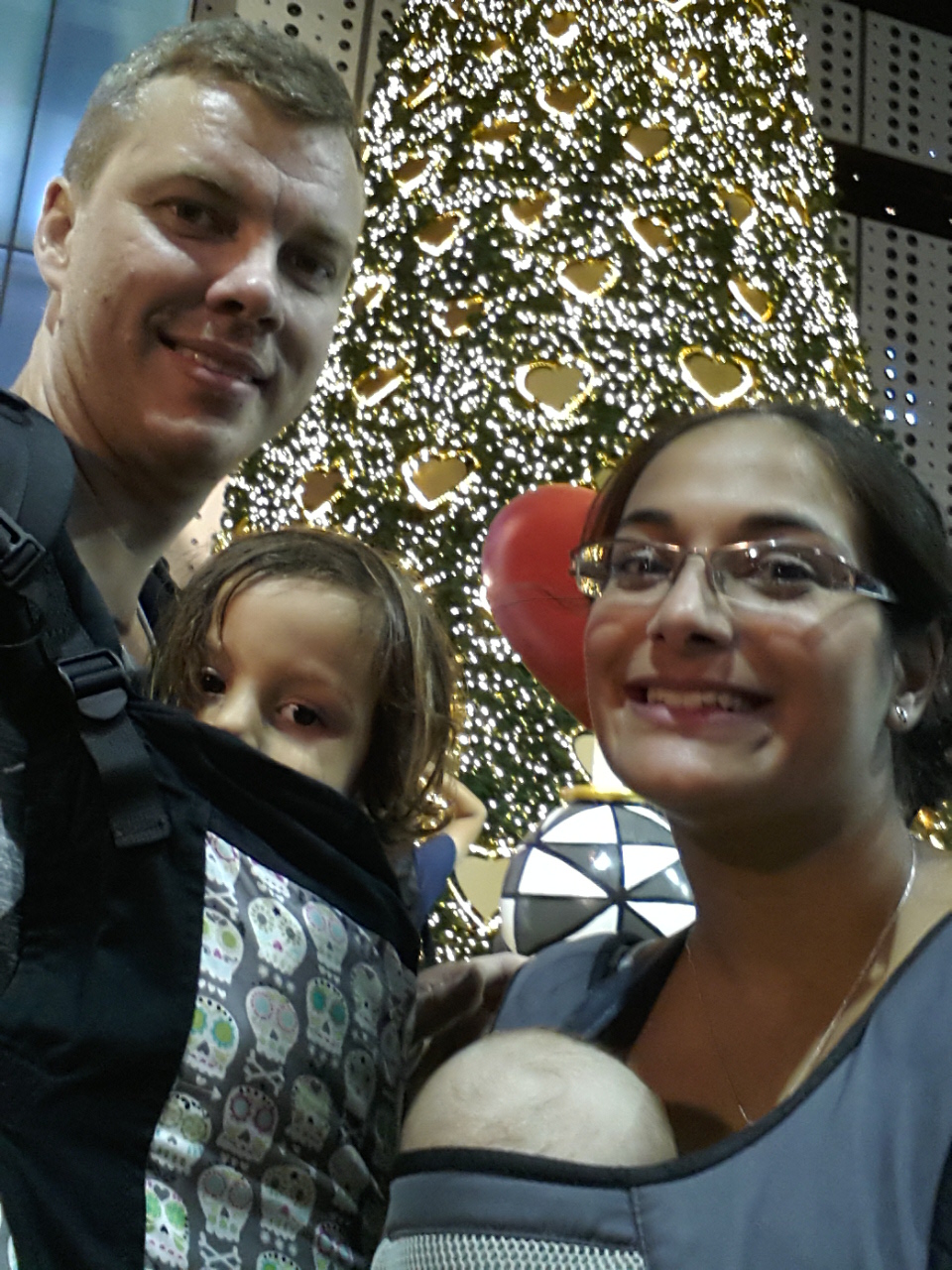
Get yourself a carrier! Typically known as a must have for infants, they turn out to also be must haves for toddlers. I carried our three-month-old for a great portion of the trip, and he often napped in the carrier. At the time, I also breastfed him while on the go. Current safety guidance is different: babies should be removed from slings and carriers before feeding. For the older babies, you can get toddler sized carriers that allow you to comfortably carry a toddler from 18 months to 4+ years. This is great as it means sightseeing doesn’t have to end when little legs get tired. Our almost 3 year old can comfortably nap while being carried which means we don’t have to make a trip back to our accommodation if we don’t want to or is not convenient to do so. It also means that you are keeping them close and safe when visiting very busy places such as markets or temples.
For more of the equipment we used, see our flying-with-a-baby packing guide.
3. Pack as many nappies and wipes as you can
In general, finding nappies and wipes wasn’t a problem for us. However, there were a few things we learned to consider. These items can cost more in some places than at home, so packing some helped us keep costs down. The quality and materials used will probably be different than back home so by packing a few days’ worth you will have enough extras so you can try one local brand and make sure your little one doesn’t have a reaction to them. Also, as you use them the room in your suitcase or backpack frees up so you have room for those extra purchases you make along the way.
4. Sunscreen for you, sunscreen for the baby, sunscreen for everyone!
Product formulations and labels can vary between countries, and sunscreen is no exception. We felt more comfortable packing brands we knew and enough to last our trip. Check appropriate sun protection for your child’s age and current professional advice.
5. The just-in-case kit
Medication note: Check your child’s age and dosing guidance with a health professional. Not all medicines or teething gels are appropriate for infants and young children.
For the same reasons as above, I recommend you pack your infant and child-appropriate medicines and first-aid supplies recommended for your child’s age by a health professional. Hopefully you won’t need these but if you do, you will at least know what it is exactly that you are giving your little ones. It also saves you from having to rush out to find these items in a foreign place where you might not be understood.
6. Rehydration salts (at a risk of sounding like a negative Nancy)
Rehydration advice: CDC travel-health guidance recommends correctly prepared oral rehydration solution for children with diarrhoea or vomiting and prompt medical assessment if there are signs of significant dehydration. Always follow the packet’s instructions and use safe water.
I may pack next to nothing for me but I will pack everything health related for the kids. On our first trip to Bali Javi caught the infamous Bali belly. Luckily the oral rehydration salts were there to the rescue…and then later they also came in handy for the rest of us…and then again in Thailand a year later. Super handy I tell you!
7. Ditch the nappy bag
Because of how active we are during our travels, and even if you spend most of your time at the beach, a nappy bag has never seemed like something convenient to bring along. Instead bring a lightweight backpack that can be multipurpose instead. Look for something sturdy with separate compartments and zips. You can find some with a laptop pocket where to secure your phone, camera and kindle. Believe it or not, one backpack (and a relatively small one at that) single-handedly fit all we needed for both our little boys for those long day trips.
8. Sleeping arrangements: what we tried in 2017
Important infant-sleep correction: Please do not use a loose foam mattress as an infant sleep surface or place one inside a portacot as extra padding. The experience below is what we did in 2017, not safe-sleep advice to copy. Babies need a safety-approved cot or other infant sleep product with its own correctly fitting, firm mattress, in line with paediatric guidance.
On our last trip through Asia we debated whether or not to bring our portacot. We ended up doing something untested which was to just bring a foam mattress instead. I’m telling you this was one of the best packing decisions in the history of packing. Lugging around a 10+ kg portacot would have made those travel days quite the struggle. We found a foam mattress had so many benefits. First of all it weighs next to nothing so it is super easy to transport. It can also be used in the accommodations portacot to make it more comfortable for your little one or as a soft play mat for the baby to chill on. When bedtime came round we used it for either the baby or the toddler to sleep on.
While most airlines include free check in of a pram, many do not include free check in of portacots. We thought it saved on baggage costs at the time, although airlines’ rules and allowances vary.
9. The T- word
Unless you have access to a kitchen, you will be spending a lot of time in restaurants and cafes. We prefer to use technology minimally and choose places where there is the option to let our toddler explore a garden or play in the sand. However as that is not always possible, when your kid won’t give crayons or stickers a second look and his favourite activity of all involves running in the opposite direction, a tablet
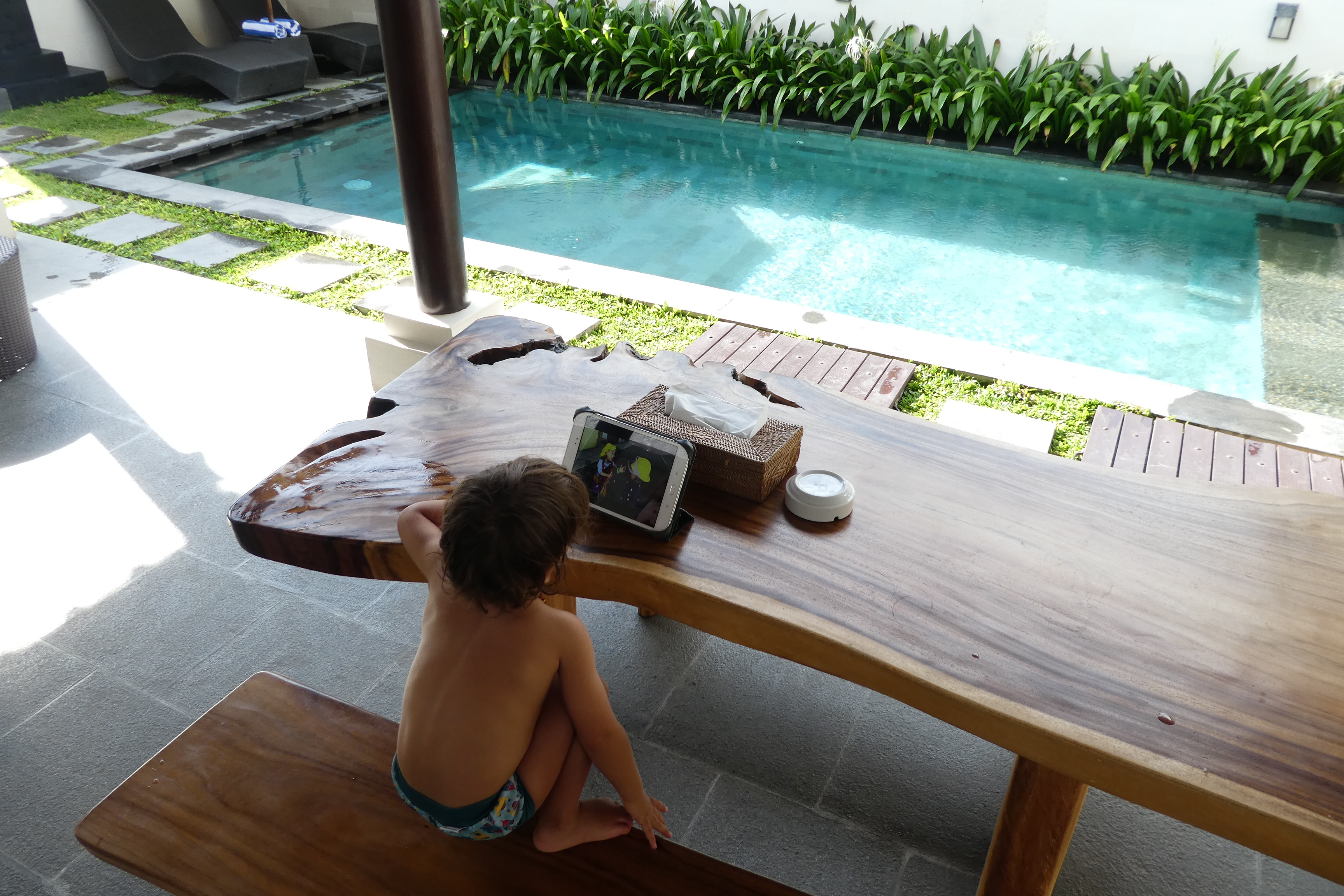
10. Accept help if you’re comfortable—and set boundaries
We enjoyed the friendly attention, but you never have to allow a stranger to hold or photograph your child. It’s fine to set boundaries that feel right for your family.
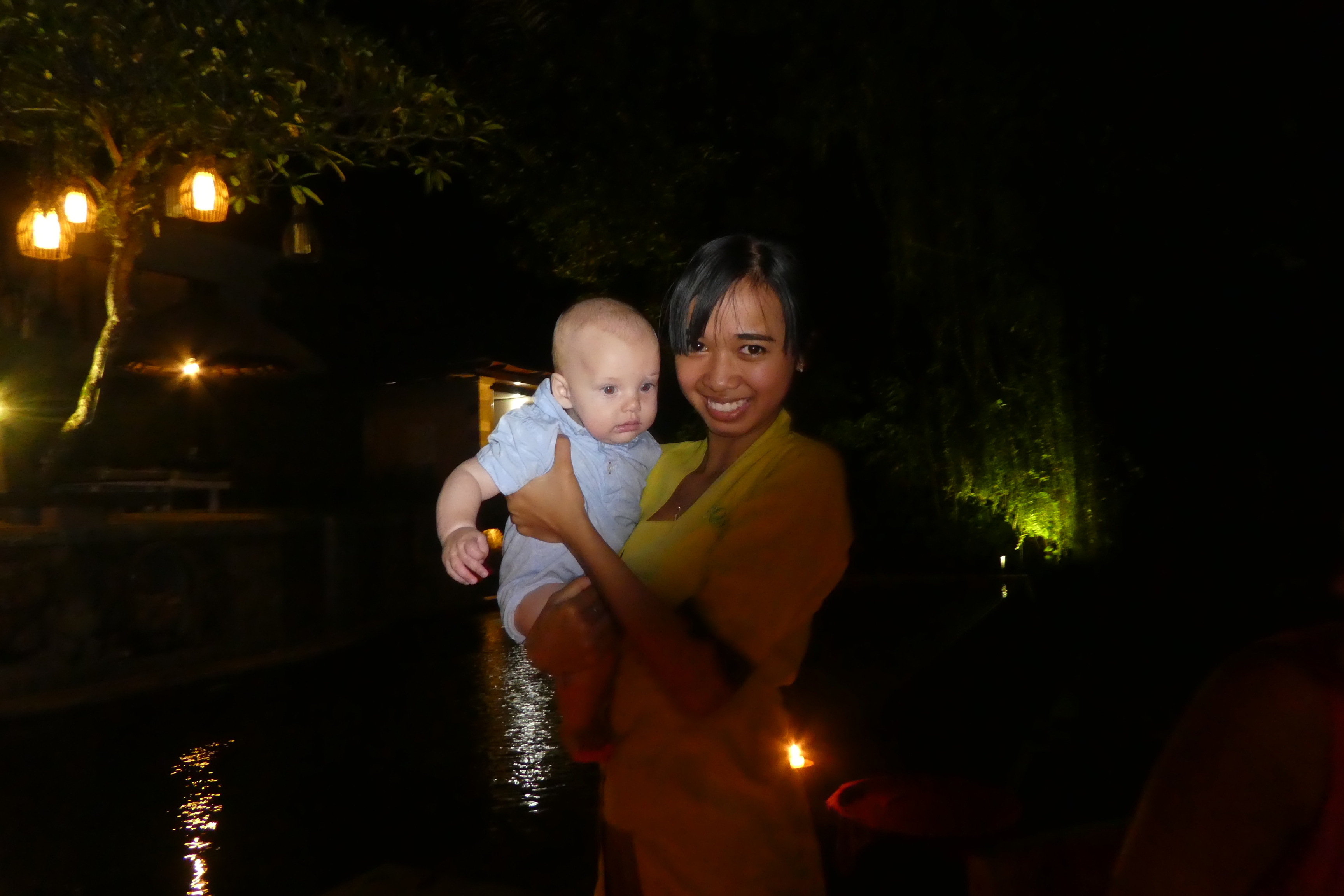
A beautiful thing in places like Thailand and Indonesia is the people’s love of babies and kids. So please do not be surprised if people come over to meet the baby. Most importantly, don’t be alarmed if they also attempt to pick up or take a photo of said baby.
I have to admit I felt very hesitant at first as a complete stranger stretched out their arms for my little bundle and I kindly declined the offer. However, by the end of our trip I was much more relaxed. The staff at the Beji Ubud Resort would frequently hold and play with our then 4 month old, while we ate our meals and devoted our attention to our toddler.
Have you been to Asia with kids?
Share your tips below!
We also shared five more tips for travelling with little ones and our experiences breastfeeding while travelling.


We’d love to hear from you! ❤️