
Our early trips through Southeast Asia included a three-month-old baby and a toddler. We loved sharing those experiences with them, but some practical choices were harder than we expected. These tips draw on those trips, with the safety advice reviewed on 6 November 2026.
1. Choose a pram or carrier for your itinerary
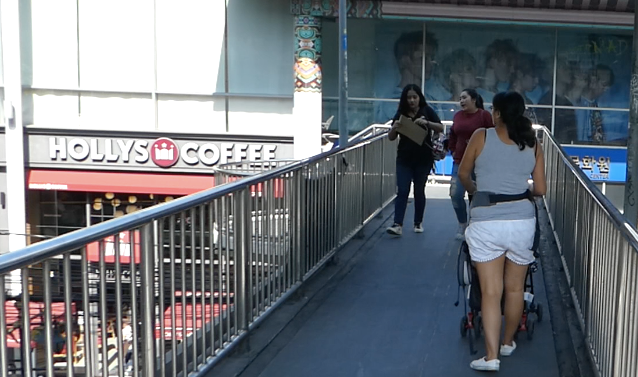
In Bangkok, carrying a pram over an overpass with two little ones was hard work. That does not mean leaving the pram at home is right for every family. Think about steps, footpaths, heat, transport and how long you will be out. A lightweight pram can still be useful on accessible routes.
2. Check the fit of your carrier
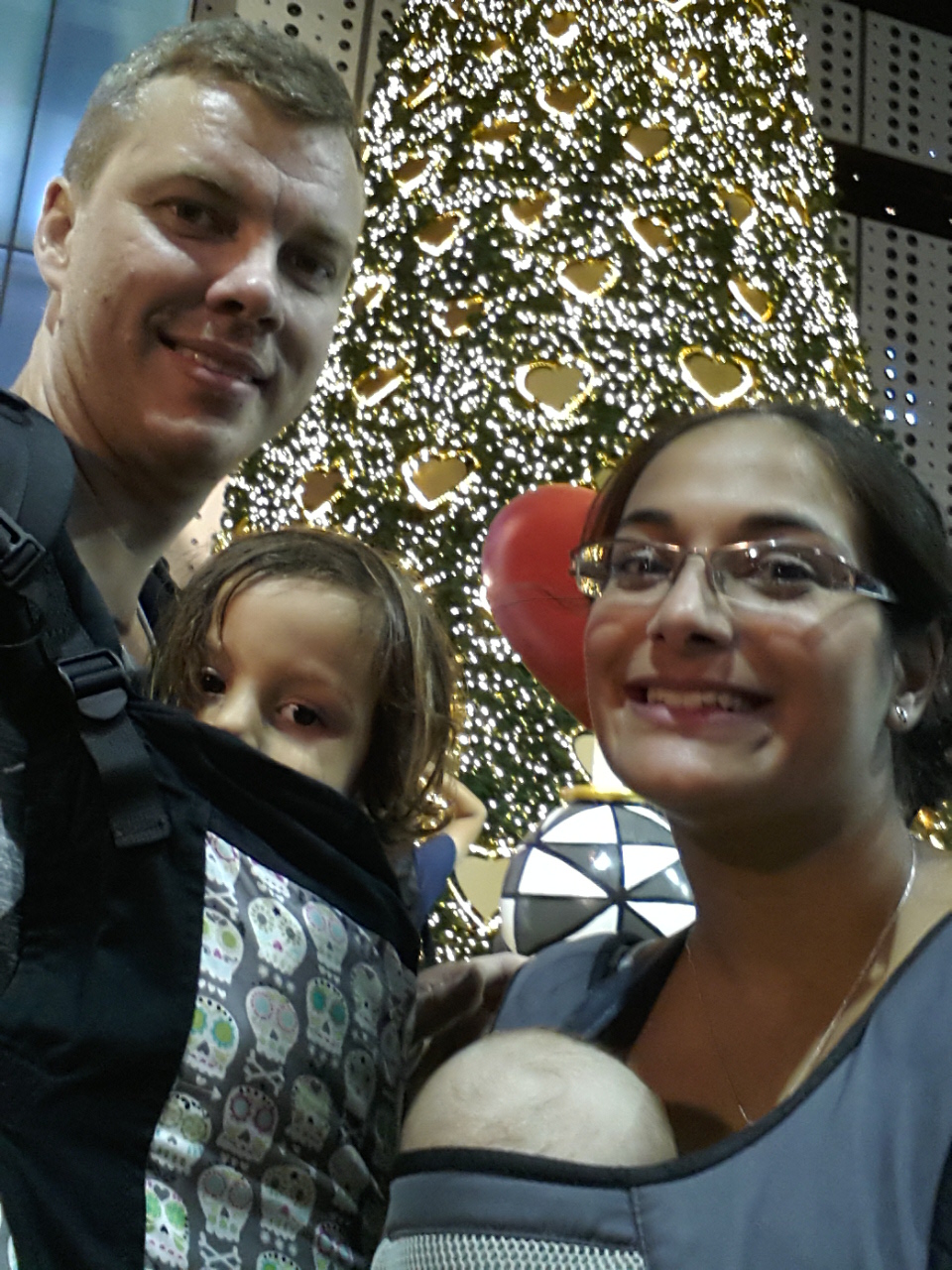
A carrier helped us get around with the boys. Choose one suited to your child’s size and follow its instructions. Keep their face visible, airway clear and chin away from their chest. Product Safety Australia’s carrier guide explains the TICKS checks and why carriers should not be used as an infant’s sleeping space. If a baby falls asleep, move them to a safe sleep surface as soon as possible.
Our older Ergobaby Adapt review shows the carrier we used at the time. It is a record of that model and our experience, rather than a review of today’s range.
3. Carry a starter supply of nappies and wipes
Pack enough for the journey and the first few days, plus a little extra for delays. Check where to buy your child’s size locally. We usually found supplies, but finding the right shop took longer than expected on some trips. A familiar supply also gives you time to try a different brand.
4. Plan shade before sunscreen
Bring hats and suitable clothing, arrange breaks out of the sun and avoid the hottest part of the day. Cancer Council’s guidance says widespread sunscreen use is generally not recommended for babies under six months. Ask a health professional about protection suitable for your baby.
5. Prepare a child-specific first-aid kit
Discuss your itinerary with a doctor or travel-health clinic before departure. Pack prescribed medicines in their original packaging and ask a pharmacist which basic supplies and doses are appropriate for each child. Keep insurance details and local medical contacts easy to find.
6. Know what to do about dehydration
Javi became unwell on our first Bali trip, and oral rehydration salts were useful to have with us. Mix them exactly as directed using safe water. Young children can dehydrate quickly: seek prompt medical help for concerning symptoms such as reduced urine, unusual drowsiness, persistent vomiting or blood in the stool. The CDC’s guidance for travelling with children explains what to discuss before your trip.
7. Use a day bag that works for you
We preferred a lightweight backpack with separate compartments to our usual nappy bag. It held changing supplies, spare clothes and the things we needed for a day out. Keep everyday items easy to reach and valuables secure.

8. Arrange a safe cot before you arrive
An earlier version of this article recommended a loose foam mattress. That advice has been removed. Use a correctly assembled cot or portable cot with the firm, flat mattress designed and supplied for it. Do not add another mattress or padding. Ask accommodation providers about their cot in advance and follow Red Nose’s portable-cot guidance.
9. Bring a few familiar activities
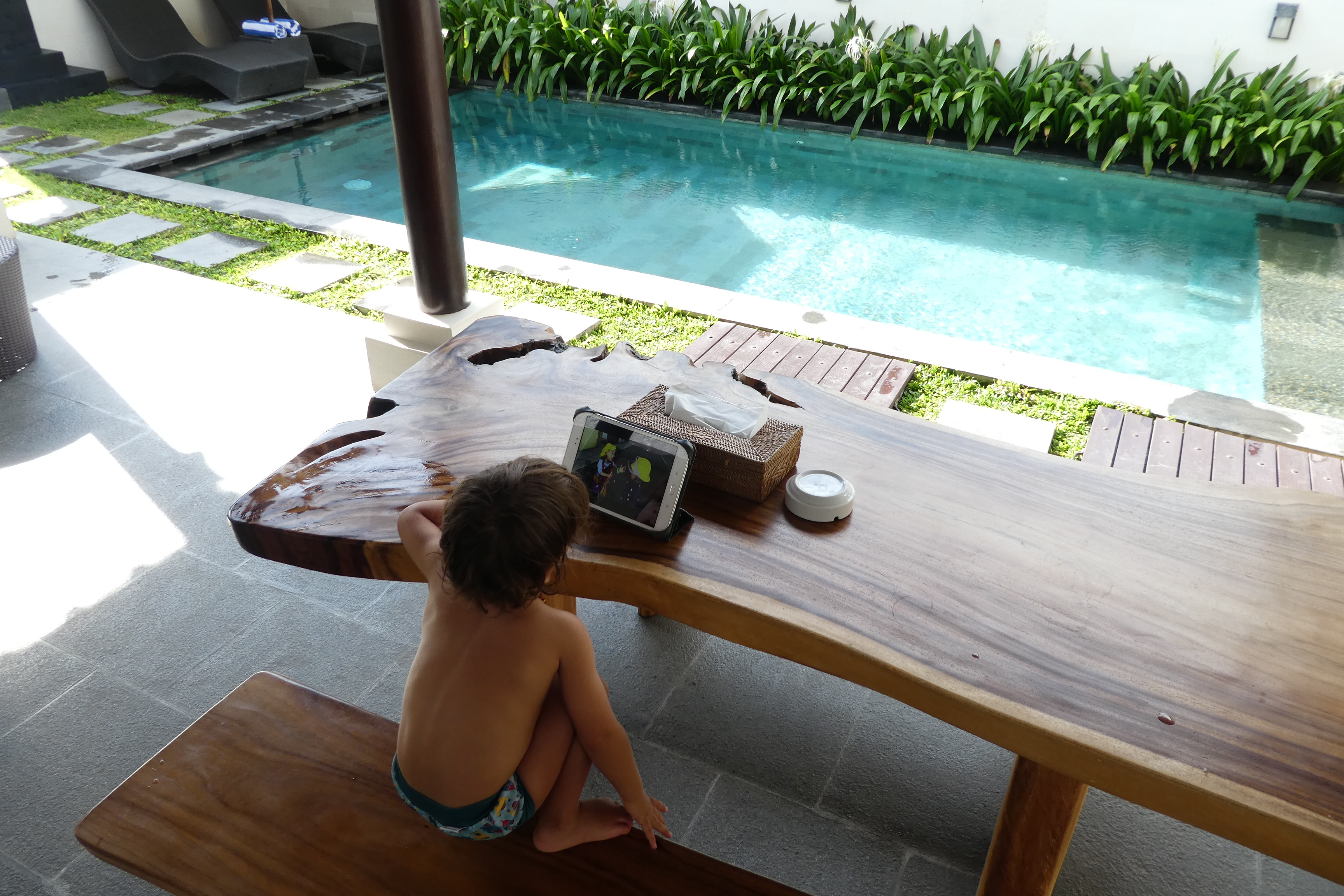
Crayons, stickers, books and a favourite downloaded programme helped on long travel days. We also looked for places where the boys could play between stretches of sitting. A short outing with time to rest was often more enjoyable than an ambitious schedule.
10. Enjoy friendly encounters on your terms
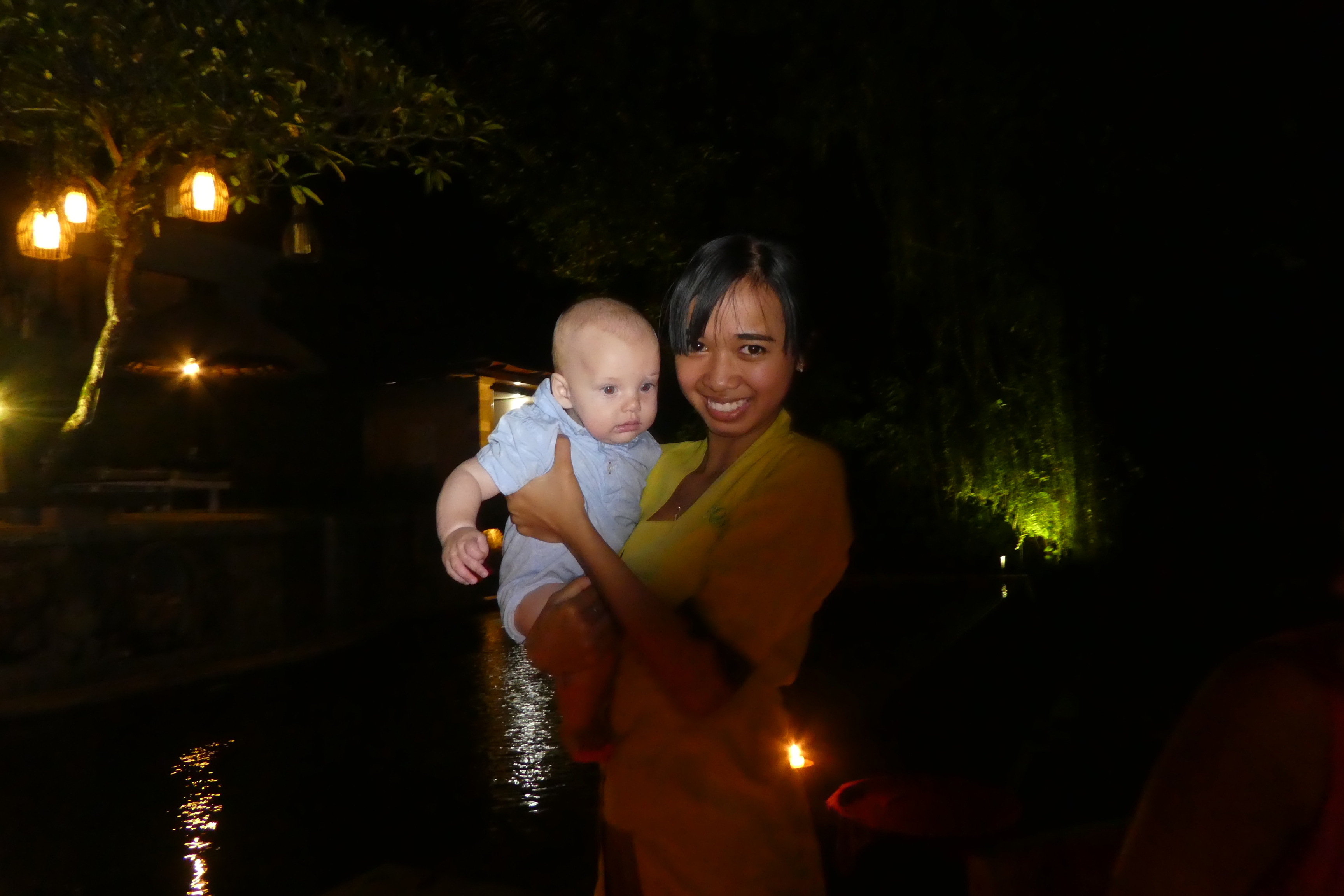
We met many kind people who welcomed the boys. At Beji Ubud Resort, staff played with our baby while we ate nearby. That was our personal experience, not something every parent needs to feel comfortable doing. You can decline requests to hold or photograph your child, and keep them close whenever you prefer.
For more of the practical side, read our five tips for travelling with babies and toddlers.


Leave a Reply